
IGCSE Economics Unit 6.2: Globalisation
Globalisation: A good thing or.....
Case Study 1 — Vietnam and South Korea
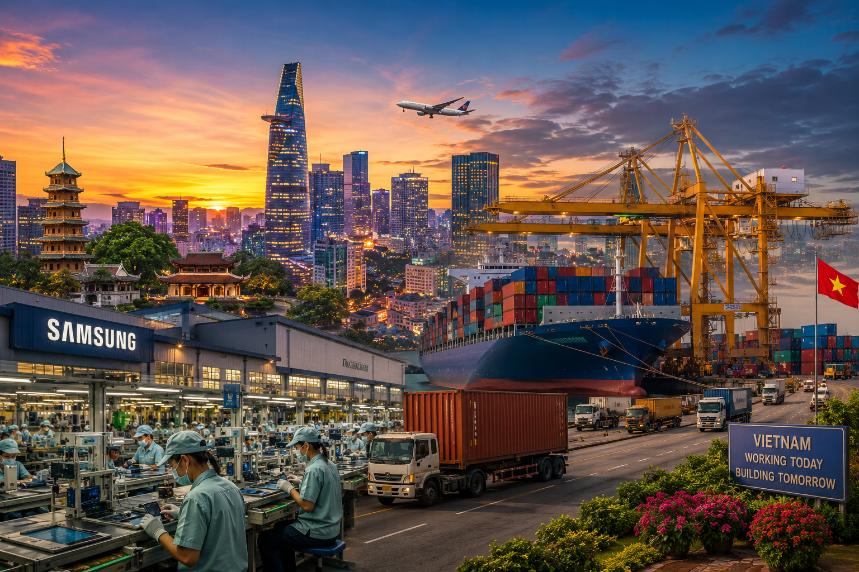
During the last 30 years, Vietnam has become increasingly connected to the global economy. One important part of this process has been investment from South Korean multinational companies such as Samsung, LG and Hyundai. Samsung alone has invested billions of dollars in factories and other facilities in Vietnam, producing smartphones and electronic products for customers around the world.
For Vietnam, this investment has helped create hundreds of thousands of jobs directly and indirectly. Vietnamese workers have gained employment in factories, transport, construction and businesses supplying multinational companies. Exports have increased dramatically, bringing foreign currency into Vietnam and contributing to economic growth. Some Vietnamese workers have moved from rural areas towards industrial centres in search of better-paid employment. Skills, technology and production methods introduced by foreign firms can also spread through the economy, supporting economic development.
However, the benefits have not been shared equally. Rapid industrialisation has increased pressure on cities, infrastructure and the environment. Factory production uses energy and resources and can create pollution. Vietnamese businesses must also compete against much larger multinational companies. Furthermore, Vietnam’s increasing dependence on exports means that a recession or fall in global demand elsewhere can quickly affect Vietnamese workers.
South Korea has also benefited. Companies such as Samsung can produce goods using Vietnam’s relatively competitive labour costs and export them globally. This can increase profits and help Korean companies compete internationally. Consumers may benefit from lower production costs. However, shifting some manufacturing overseas can reduce demand for certain workers in South Korea, particularly those whose skills were suited to manufacturing jobs that have moved abroad.
Case Study 2 — Bangladesh and the global clothing industry
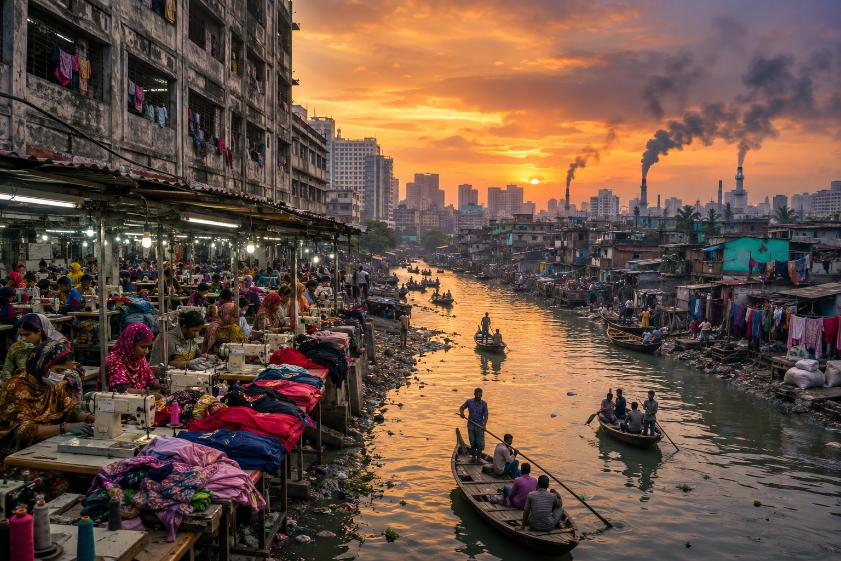
Bangladesh became deeply connected to the global economy through the rapid expansion of its clothing industry. International companies and retailers increasingly sourced clothing from Bangladesh because production costs and wages were much lower than in Europe and North America.
The consequences initially appeared extremely positive. Millions of jobs were created, particularly for women who previously had limited opportunities for paid employment. Clothing exports generated foreign currency, incomes increased and the industry contributed significantly to Bangladesh’s economic development. Consumers in richer countries benefited from cheaper clothing, while multinational retailers could reduce production costs and increase profits.
However, fierce international competition created pressure to keep costs extremely low. Suppliers competed for contracts by offering low prices and rapid production. Workers sometimes experienced low wages, long working hours and unsafe conditions. In 2013, the Rana Plaza building collapsed near Dhaka, killing more than 1,100 people working in clothing factories and exposing serious weaknesses in working conditions and regulation.
Globalisation also created difficult choices for Bangladesh’s government. Stronger labour or environmental regulations could improve conditions but might increase firms’ costs and encourage international companies to move production to another low-cost country. Pollution from textile production has also damaged waterways and local environments.
Bangladesh has additionally become highly dependent on international demand for clothing. During major global disruptions, cancelled orders can rapidly threaten factories and employment. Meanwhile, much of the profit from clothing sold in wealthy countries remains with international brands, meaning the income generated by globalisation can be distributed very unevenly
Globalisation questions
- Define globalisation. [2]
- List four possible effects of globalisation on an economy. [4]
- Explain two ways in which globalisation may benefit workers in a host country such as Vietnam or Bangladesh. [4]
- Explain two reasons why increased globalisation may create problems for an economy. [4]
- Discuss whether globalisation is more likely to benefit than harm an economy. Use evidence from the Vietnam and Bangladesh case studies to support your answer. [8]